


Table of Contents
Introduction
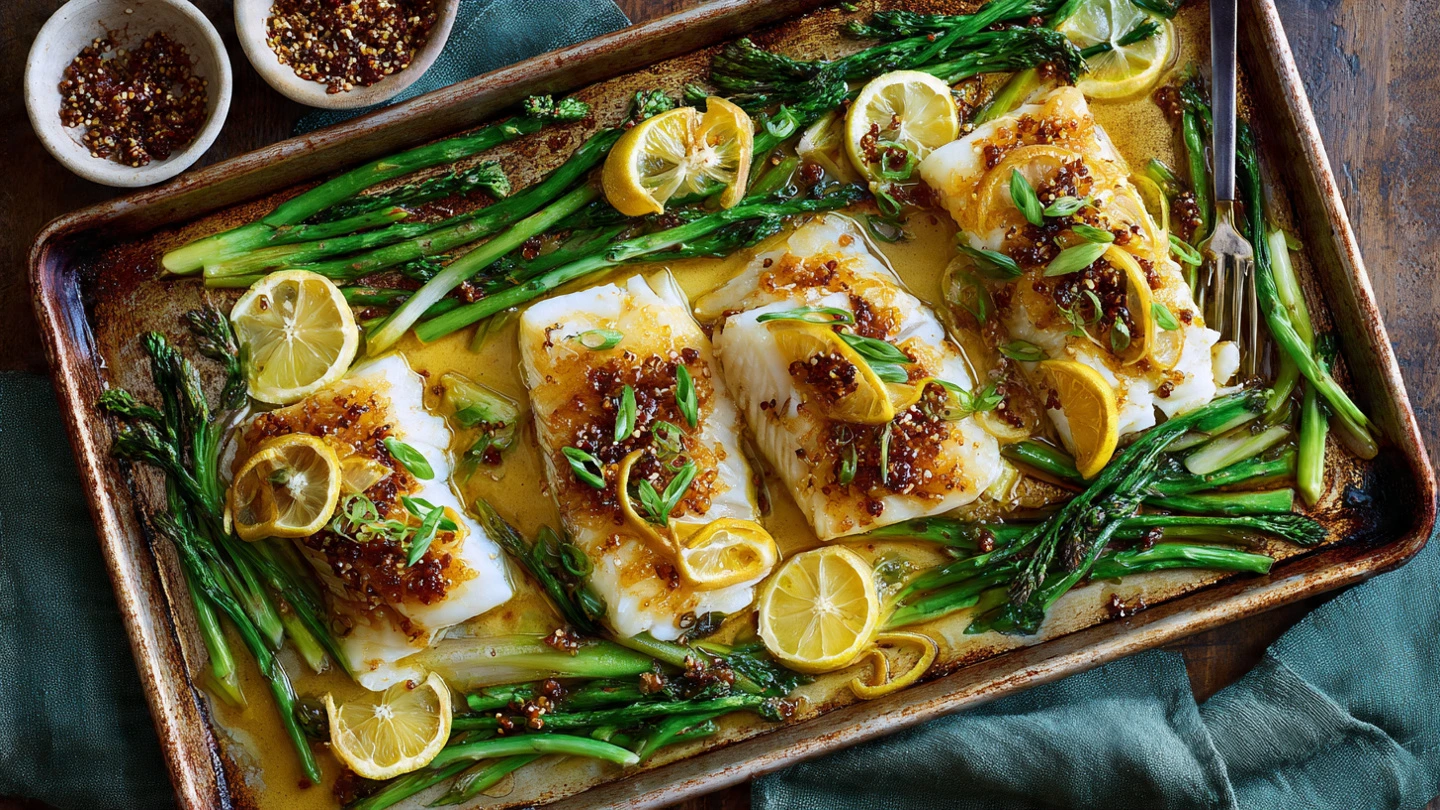
Discover the secret to a flavorful, healthy, and incredibly easy weeknight dinner with this guide to Sheet Pan Miso-Glazed Fish. This dish combines the savory, umami-rich flavors of a miso glaze with perfectly cooked fish and roasted vegetables, all conveniently made on a single baking sheet. Say goodbye to complicated recipes and a sink full of dishes, and hello to your new favorite meal.
The Magic of Miso
Before diving into the recipe, let’s talk about the star ingredient: miso. Miso is a traditional Japanese seasoning produced by fermenting soybeans with salt and a fungus called koji
. It’s the foundation of the glaze, providing a salty, savory, and deeply flavorful (umami) base.
There are several types of miso, but the most common are:
- White Miso (Shiro Miso): This is the mildest variety, fermented for a shorter period . It has a subtle sweetness and is a great choice if you’re new to miso . Many recipes recommend white or yellow miso for this dish.
- Yellow Miso (Shinshu Miso): Slightly stronger than white miso, it offers a good balance of earthy and sweet flavors. It tends to be saltier and less sweet than the premium Saikyo miso .
- Red Miso (Aka Miso): Fermented for the longest time, sometimes over a year, red miso has a deep, robust, and salty flavor . It can be used if you prefer a more intense taste.
The Gold Standard: Saikyo Miso
While any white miso will work, for a truly refined and delicate glaze, Saikyo miso is the gold standard
. This premium white miso originates from Kyoto, Japan, and its name translates to “Western Capital” miso
. It is prized for its unique characteristics that make it exceptionally well-suited for glazing fish
- Flavor Profile: Saikyo miso has a pronounced, luxurious sweetness and a mild, less salty taste . It contains significantly less salt (around 5%) compared to other misos, which can have 10% or more .
- Production: Its unique flavor comes from a high ratio of rice koji to soybeans (often two parts koji to one part soybeans) and a short fermentation period of just a few months . The enzymes in the koji break down rice starches into sugar, creating its signature sweetness and mellow, fruity aroma .
- Texture: It has an exceptionally smooth and creamy consistency . This is achieved by using boiled (not steamed) soybeans and often removing the skins, resulting in a finer paste .
- Why It’s Ideal for Glazes: The high natural sugar content allows the glaze to caramelize beautifully under heat, creating a glossy, burnished crust without easily burning . Its low salt content enhances the delicate flavor of the fish without overpowering it or drawing out too much moisture, ensuring a tender result . The creamy texture allows the glaze to adhere evenly to the fish for a perfect coating .
Crafting the Perfect Miso Glaze
The glaze is where the magic happens, transforming simple fish into something extraordinary. It’s incredibly easy to whisk together.
Basic Miso Glaze Ingredients:
- Miso Paste: The foundational element for umami flavor . Saikyo miso is highly recommended for a sweeter, more delicate glaze .
- Mirin: A sweet Japanese rice wine that adds sweetness and a glossy finish . Note that traditional mirin contains alcohol, but many excellent halal-friendly and alcohol-free substitutes are available .
- Soy Sauce or Tamari: Adds saltiness and depth. Dark soy sauce can offer a richer color and less saltiness.
- A Sweetener: Honey, maple syrup, or brown sugar balances the saltiness of the miso and soy sauce and helps the glaze caramelize beautifully in the oven .
- Aromatics: Freshly grated ginger and minced garlic are essential for a fragrant, zesty kick.
- Sesame Oil: A drizzle of toasted sesame oil provides a nutty aroma and richness.
How to Make It:
In a small bowl, simply whisk together ¼ cup of miso paste, 2 tablespoons of mirin (or a substitute), 1 tablespoon of soy sauce, 1 tablespoon of a sweetener like honey or maple syrup, 1 teaspoon of grated ginger, and 1 clove of minced garlic.
Halal-Friendly & Alcohol-Free Mirin Options
For those who avoid alcohol, replicating mirin’s unique contribution to the glaze is simple with either a homemade substitute or a commercial product
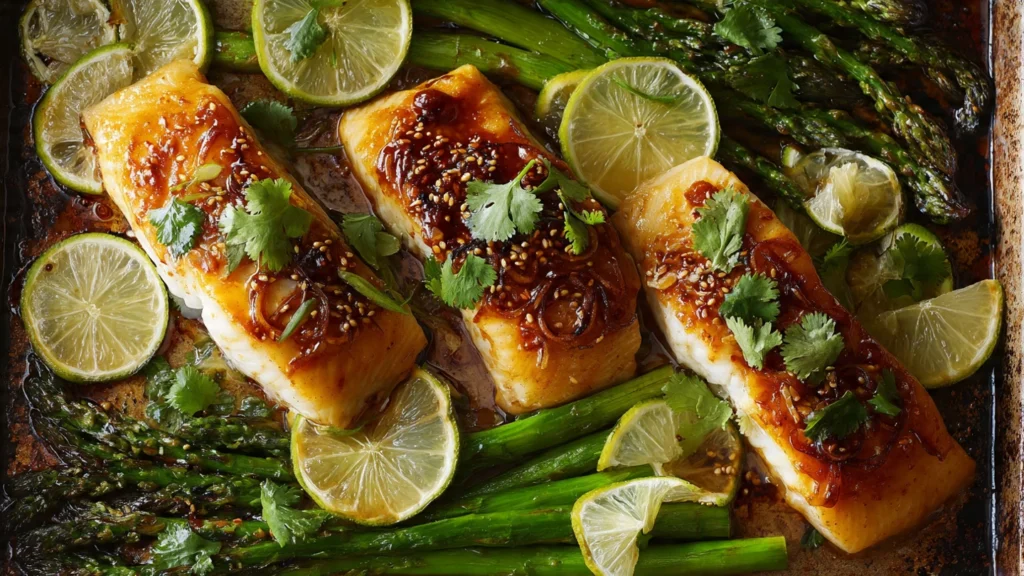
. Using Saikyo miso is particularly advantageous in halal cooking, as its pronounced natural sweetness inherently compensates for the sweetness that would typically come from mirin

1. Homemade Mirin Substitute
Creating a substitute from scratch is straightforward and gives you control over the flavor
- Simple Method: For a quick substitute, combine 1 tablespoon of rice vinegar with ½ to 1 teaspoon of granulated sugar .
- Heated Syrup Method (Recommended for Glazes): Heating the ingredients creates a more viscous syrup that better replicates the gloss and caramelization of traditional mirin .
- Ratio: Combine ½ cup of water, ½ cup of sugar, and 4 tablespoons of rice vinegar .
- Process: In a small saucepan, bring the water and sugar to a gentle boil over medium heat, stirring until the sugar dissolves (about 2-3 minutes) . Avoid overcooking it into a thick syrup . Remove from the heat, let it cool slightly, and then stir in the rice vinegar .
2. Commercial “Mirin-Style” Seasonings
Several brands offer convenient and effective halal-certified or alcohol-free mirin-style seasonings. These products are excellent for providing sweetness and a glossy finish
- Mizkan Honteri: A popular non-alcoholic option made with corn syrup, vinegar, and fermented rice extract . It adds a rich sweetness and is known to caramelize quickly without burning .
- Hinode Mirin Fu: This is a widely available halal-certified product that uses glucose syrup and yeast extract to provide sweetness, umami, and a desirable shine .
- Kikkoman (Halal Version): This renowned brand offers a halal-certified mirin-style seasoning with a mild, gentle sweetness that blends well with other ingredients like miso and soy sauce .
- Other Brands: You may also find other halal options such as Waten Halal Mirin and Noyama Halal Mirin, which is noted as an excellent glazing agent . Halal-certified Saikyo miso is also available, highlighting its suitability for this purpose .
While these substitutes are excellent for providing sweetness and shine, they may have a less complex umami profile than traditional hon-mirin (true mirin)
. However, in this recipe, the miso paste is such a powerful source of umami that these substitutes work perfectly
A Note on Sake in Japanese Cooking
While our recipe uses mirin for sweetness and shine, you may encounter other miso glaze recipes that call for sake (Japanese rice wine)
. Sake serves several key functions in marinades
- Adds Flavor and Umami: Rich in amino acids like glutamic acid, sake imparts a savory umami flavor and a natural, mellow sweetness .
- Tenderizes Fish: The alcohol in sake gently denatures proteins, resulting in a more tender and succulent texture . The enzymes in miso also help tenderize the fish as it marinates .
- Reduces Odors: It is highly effective at neutralizing the “fishy” smell of seafood .
- Enhances Aroma: Sake helps develop an appetizing aroma and a tasty crust when roasting or grilling .
For a halal substitute for sake, you can use a mixture of diluted rice vinegar
. The rich umami from a high-quality miso like Saikyo helps replace the savory notes that sake provides, making it an excellent base for alcohol-free recipes
- To make it: Combine one part rice vinegar with three parts water . For every ¼ cup of sake required, use 1 tablespoon of rice vinegar mixed with 3 tablespoons of water.
- Balance the flavor: To mimic sake’s subtle sweetness, dissolve a pinch of sugar into the mixture .
Choosing Your Fish and Vegetables
The beauty of this sheet pan dinner lies in its versatility. The classic Japanese preparation using this type of glaze is known as Saikyo-yaki
Best Fish to Use:
You want a fish fillet that is firm enough to hold up to roasting but will become tender and flaky. Both thicker cuts and thinner fillets can work, but you’ll need to adjust cooking times accordingly. Excellent choices include:
- Salmon: Its rich, oily texture is a classic pairing with miso .
- Cod (especially Black Cod/Sablefish): Known for its buttery, rich flavor that inspired the famous Nobu dish and is traditionally used in Saikyo-yaki .
- Halibut: A firm, lean white fish.
- Sea Bass, Arctic Char, or Mahi-Mahi: All are wonderful options that cook well with this method.
Perfect Vegetable Pairings:
Choose vegetables that roast well and complement the Asian-inspired flavors. Remember to cut heartier vegetables smaller so they cook at the same rate as the fish and more tender vegetables.
- Hearty Vegetables (give them a 10-15 minute head start): Broccoli florets, carrots (sliced into spears), Brussels sprouts (halved), sweet potatoes (cubed), and bell peppers.
- Quicker-Cooking Vegetables (can be added with the fish): Asparagus, bok choy (halved), snap peas, green beans, radishes, and mushrooms.
Step-by-Step Guide to Sheet Pan Miso-Glazed Fish
This method is designed for maximum flavor with minimal effort.
Yields: 4 servings
Prep time: 15 minutes
Cook time: 20-25 minutes
Ingredients:
- 4 fish fillets (about 6 oz. each), such as salmon or cod
- 1 lb mixed vegetables of your choice (e.g., 1 head of broccoli cut into florets and 2 large carrots sliced)
- 1 to 2 tablespoons olive or sesame oil
- Salt and freshly ground black pepper
For the Miso Glaze:
- ¼ cup white or yellow miso paste (Saikyo miso is highly recommended)
- 2 tbsp mirin (or a non-alcoholic substitute)
- 1 tbsp soy sauce
- 1 tbsp honey or maple syrup
- 1 tsp fresh ginger, grated
- 1 clove garlic, minced
For Garnish (optional):
- Sesame seeds (toasted or black)
- Thinly sliced scallions (green onions)
Instructions:
- Preheat and Prep: Preheat your oven to 400°F (205°C). Line a large, rimmed baking sheet with parchment paper for easy cleanup.
- Prepare the Glaze: In a small bowl, whisk together all the ingredients for the miso glaze until smooth.
- Roast the Heartier Vegetables: In a large bowl, toss your heartier vegetables (like broccoli and carrots) with oil, salt, and pepper. Spread them in a single layer on the prepared baking sheet. Roast for 10-15 minutes, until they begin to soften.
- Add the Fish and Glaze: Remove the sheet pan from the oven. Push the vegetables to the sides to make space for the fish. Pat the fish fillets dry with a paper towel and place them in the center of the pan.
- Glaze the Fish: Brush or spoon the miso glaze generously over the top of each fish fillet. If you have quicker-cooking vegetables like asparagus or bok choy, add them to the pan now.
- Finish Roasting: Return the sheet pan to the oven and bake for another 10-15 minutes. The cooking time will depend on the thickness of your fish. The fish is done when it is opaque and flakes easily with a fork.
- Optional Broil: For a more caramelized and slightly charred top, switch the oven to broil for the last 1-2 minutes of cooking. Watch it carefully, as the sugar in the glaze can burn quickly.
- Garnish and Serve: Remove from the oven. Garnish the fish with a sprinkle of sesame seeds and sliced scallions. Serve immediately with the roasted vegetables and a side of steamed rice or quinoa.
Tips for Perfect Results
- Don’t Overcrowd the Pan: Use a large enough sheet pan to ensure the vegetables can spread out in a single layer. This allows them to roast and caramelize rather than steam.
- Easy Cleanup is Key: Lining your pan with parchment paper or foil will make cleanup a breeze, especially since the sugary glaze can stick.
- Adjust Cooking Times: Fish cooks quickly. A general rule is to budget about 8-10 minutes of cooking time per inch of thickness. Thinner fillets may only need 8 minutes, while thicker ones might need up to 15.
- Marinate for More Flavor: If you have time, you can marinate the fish in the glaze for at least 30 minutes (or even overnight in the refrigerator) before baking. The enzymes in the miso will also help tenderize the fish . This allows the flavors to penetrate more deeply.
- Use Leftover Glaze: Any extra glaze can be used as a dipping sauce for the vegetables or saved for another meal.
Expert Halal Beverage Pairings
The rich, savory, and slightly sweet notes of a miso glaze call for beverages that can either complement its umami depth or provide a refreshing contrast to cleanse the palate
. For a halal dining experience, a thoughtful selection of non-alcoholic drinks can elevate the meal
- Hot Green Tea: A classic pairing, Japanese green teas like Sencha and Gyokuro are naturally rich in the amino acids that create umami (glutamate and theanine) . This creates a harmonious effect, where the umami in the tea enhances the savoriness of the miso glaze . The tea’s subtle bitterness also cuts through the richness .
- Ginger Ale: The gentle spice and effervescence of ginger ale provide a delightful contrast to the glaze’s richness . Ginger is a natural flavor partner for miso, and the carbonation helps cleanse the palate, especially with fatty fish like salmon .
- Yuzu Spritzers: Yuzu is a Japanese citrus with a tart, aromatic flavor profile resembling a mix of lemon, mandarin, and grapefruit . A spritzer made with yuzu juice and sparkling water offers a burst of acidity and fizz that cuts through the rich glaze, brightening the entire dish .
- Sparkling Juices (Apple and White Grape): High-quality sparkling juices offer a wonderful balance of sweetness and acidity . The natural sweetness of apple or white grape juice harmonizes with the honey or sugar in the glaze . At the same time, their crisp acidity and effervescence cut through the richness of oily fish, cleansing the palate and preventing the dish from feeling heavy . Sparkling white grape juice, in particular, can bring an elegant, wine-like profile to the pairing .
- Pomegranate Juice: For a bolder choice, pomegranate juice offers a dynamic interplay of sweet and tart notes . Its pronounced tartness provides a vibrant contrast to the sweet and savory glaze, effectively cutting through the richness of the fish . Pomegranate also contains tannins that give it a structural counterpoint to fatty foods, creating a complex and layered taste experience .
- Non-Alcoholic Sparkling Rosé: A dry, non-alcoholic sparkling rosé offers bright acidity and notes of red berries that complement the dish without overpowering it . The effervescence and crispness cleanse the palate, cutting through the richness of the glaze and making it an elegant pairing, especially for miso-glazed salmon .
- Non-Alcoholic Beer (Pilsner or Lager): For those who prefer a less sweet beverage, a crisp non-alcoholic pilsner or lager is an ideal choice . The bitterness from the hops provides a refreshing counterpoint to the glaze’s sweetness and the fish’s richness . The carbonation is crucial for scrubbing the palate clean between bites . Additionally, the subtle malt notes in the beer can complement the savory, fermented character of the miso paste, creating a balanced and refreshing pairing .
Executive Summary
Sheet Pan Miso-Glazed Fish is an ideal weeknight dinner that delivers impressive flavor with minimal effort and cleanup. The core of the dish is a simple yet powerful glaze made from miso paste, a sweetener, soy sauce, and aromatics. For a superior result, using Saikyo miso—a premium, sweet, and low-sodium white miso from Kyoto—is highly recommended
. Its unique properties allow it to caramelize beautifully without overpowering delicate fish like salmon or cod
A key component, mirin, provides sweetness and a glossy finish; for those on halal or alcohol-free diets, it can be easily replaced with either a homemade substitute of rice vinegar and sugar or a commercial “mirin-style” seasoning
. Some recipes may call for sake, which adds umami and tenderizes the fish; this can be substituted with a diluted mixture of rice vinegar and water
. Saikyo miso is particularly advantageous in halal preparations, as its inherent sweetness and umami naturally compensate for the flavor profiles of mirin and sake
The versatile recipe pairs well with numerous roasting vegetables like broccoli and asparagus. The key to success is a two-step roasting process: giving heartier vegetables a head start before adding the fish and glaze. To elevate the meal, consider pairing it with a non-alcoholic beverage that complements or contrasts the rich umami flavors. Excellent choices include traditional hot green tea, a zesty yuzu spritzer, sparkling juices, bold pomegranate juice, a crisp non-alcoholic pilsner, or an elegant non-alcoholic sparkling rosé
. By following these simple steps, anyone can create a healthy, restaurant-quality meal at home on a single sheet pan.