
Table of Contents
Introduction
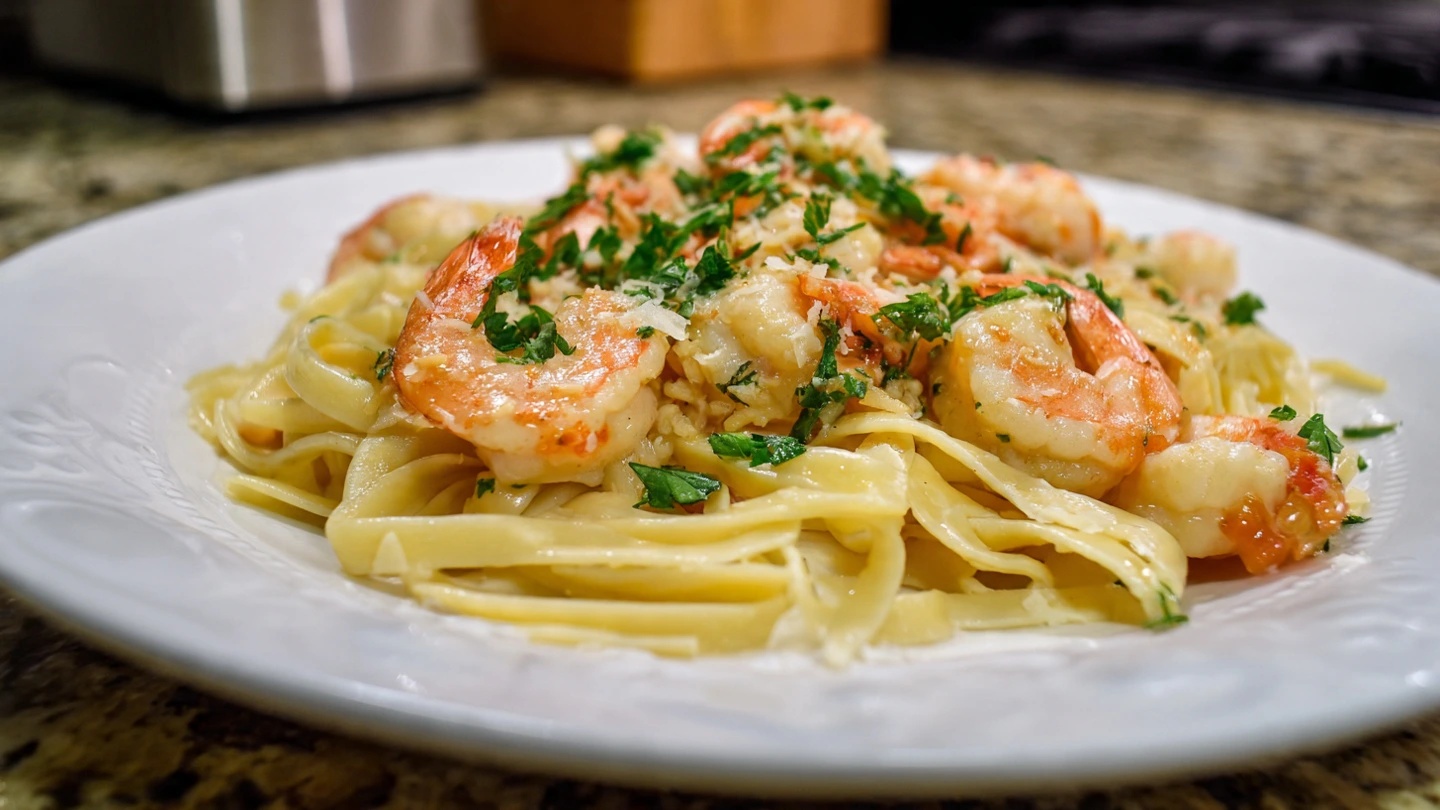
There are few dishes that so perfectly balance elegance with simplicity as Shrimp Scampi Linguine
. It’s a meal that feels special enough for a dinner party yet comes together quickly enough for a busy weeknight
. With succulent shrimp bathed in a decadent sauce of garlic, and lemon butter, all tossed with perfectly cooked pasta, it’s a timeless classic that never fails to impress
This comprehensive guide will walk you through everything you need to know to create the most divine Shrimp Scampi Linguine in your own kitchen. We’ll delve into its fascinating history, break down the essential ingredients and tools, provide a detailed step-by-step recipe, and share all the tips, tricks, and variations you need to make this dish your own. Get ready to master this iconic Italian-American favorite.
The Culinary Saga of Shrimp Scampi: An American Classic with Italian Roots
The name “Shrimp Scampi” might seem a bit redundant, and that’s because it is . The story behind the name is a classic tale of immigrant ingenuity
. In Italy, “scampi” is the plural for “scampo,” which refers to a langoustine—a small, lobster-like crustacean with a delicate, sweet flavor
. Traditionally, Italian chefs would sauté these delicate scampi in olive oil, garlic, and vinegar
When Italian immigrants arrived in the United States in the late 19th and early 20th centuries, they found that their prized langoustines were not readily available
. Undeterred, they substituted the plentiful local shrimp (gamberi in Italian) but kept the classic “scampi” style of preparation
. Over time, the two names merged, and the beloved dish we know as “Shrimp Scampi” was born
While the dish may have appeared in Italian-American communities as early as the 1920s, its popularity truly soared across the United States in the post-World War II era
. Returning GIs who had been stationed in Italy brought back a taste for Italian food, and a growing middle class had more disposable income for dining out
. Restaurants that were once neighborhood eateries began to attract a wider clientele, and Shrimp Scampi became a celebrated favorite for its robust, bright flavors
Several influential figures and establishments were instrumental in cementing Shrimp Scampi’s place in the American culinary landscape. Restaurants like the legendary Mamma Leone’s in New York City, which opened in 1906, helped introduce a broad American audience to Italian-American dining on a massive scale
. Another establishment, “Shrimp Scampi, Inc.,” is noted for having helped popularize the dish across the country during its 1950s and 60s heyday
. Prominent food writers also played a key role. Craig Claiborne, the influential food editor of The New York Times, featured a recipe for “Scampi” in his New York Times Menu Cookbook . His version, which involved baking butterflied shrimp in a garlic-butter sauce and broiling them, demonstrated the dish’s evolution and its firm integration into mainstream American cuisine
Why You’ll Fall in Love with This Recipe
If you’re not already a fan, here’s why this Shrimp Scampi Linguine will become a staple in your recipe collection:
- Quick and Easy: Despite its sophisticated flavor profile, this dish comes together in under 30 minutes, making it perfect for any night of the week .
- Elegant and Impressive: It’s the kind of meal that makes you look like a culinary pro with minimal effort . Serve it for a date night, a family dinner, or when guests are over.
- Incredibly Flavorful: The sauce is a symphony of the best things in life: rich butter, fragrant garlic, bright lemon, and crisp vinegar or a savory broth .
- Versatile: This recipe is a fantastic starting point . You can easily customize it with different vegetables, pastas, or a touch of cream .
The Anatomy of Perfect Shrimp Scampi: Ingredients and Tools
The beauty of Shrimp Scampi lies in its short and accessible ingredient list . Because there are so few components, using high-quality ingredients and the right tools is crucial for the best flavor
Key Ingredients
- Shrimp: The star of the show. Large or extra-large shrimp (16-25 count per pound) are ideal as they remain juicy and have a satisfying bite . You can buy them fresh or frozen, but many chefs agree that flash-frozen shrimp are often “fresher” than the “fresh” ones at the seafood counter, which may have been previously frozen and thawed . For the easiest preparation, look for shrimp that are already peeled and deveined . Leaving the tails on is a matter of preference; they add flavor and enhance presentation, but tail-off is more convenient for eating .
- Linguine: The classic pasta choice. Its flat, long shape is perfect for capturing every drop of the luscious garlic butter sauce . However, other long pastas like spaghetti, angel hair, or fettuccine work wonderfully too .
- Fat: A combination of unsalted butter and extra-virgin olive oil provides the best of both worlds . The olive oil has a higher smoke point and adds a fruity depth, while the butter brings richness and a creamy texture . Using unsalted butter is key, as the salt content in salted butter varies by brand, making it harder to control the final seasoning of your dish .
- Aromatics: Fresh garlic is non-negotiable . Use plenty of it—anywhere from 4 to 10 cloves depending on your preference—and always opt for fresh cloves over the pre-minced jarred variety, which can have a muted or sour taste . Using a microplane or garlic press to finely grate the garlic helps to build and distribute its flavor more evenly throughout the sauce . Finely chopped shallots can also be added for an extra layer of flavor .
- Liquid: A dry vinegar is essential for the signature scampi flavor, adding acidity and depth that water alone cannot replicate . Choose a crisp, drinkable vinegar like a Pinot Grigio, Sauvignon Blanc, or an unoaked Chardonnay . A good rule of thumb is: if you wouldn’t drink a glass of it, don’t cook with it . For non-alcoholic versions, low-sodium chicken broth or a homemade shrimp stock are excellent substitutes that still build a rich, flavorful sauce .
- Acidity and Freshness: Fresh lemon juice and zest are crucial for cutting through the richness of the butter and brightening up the entire dish . Freshly chopped parsley, stirred in at the end, adds a final touch of color and clean, herbaceous flavor .
- Spice: A pinch of red pepper flakes provides a gentle warmth that balances the other flavors without making the dish overtly spicy . You can adjust the amount to your liking .
- Seasoning: Kosher salt and freshly ground black pepper are all you need to tie everything together .
Essential Kitchen Tools
To create a flawless shrimp scampi, having the right equipment is paramount
- Large Sauté Pan or Skillet: This is the most crucial piece of equipment . A large pan provides ample space for the shrimp to cook evenly without overcrowding, which leads to steaming rather than searing and can result in a mushy texture . A heavy-bottomed pan, like cast iron, is excellent for heat retention, ensuring the shrimp cook quickly .
- Large Pot: A big pot is necessary for boiling the linguine, giving the pasta enough room to cook evenly without sticking .
- Colander: To drain the cooked pasta thoroughly.
- Chef’s Knife and Cutting Board: A sharp knife and a stable board are essential for mincing garlic, chopping parsley, and slicing shallots .
- Measuring Spoons and Cups: For accurate measurements, which are key to a balanced sauce.
- Tongs or a Slotted Spoon: Useful for turning and removing the shrimp from the pan without taking all the flavorful oil with them .
- Whisk: Essential for emulsifying the sauce, especially when creating a creamy version or finishing with cold butter .
- Microplane or Garlic Press: Ideal for finely grating garlic, which helps to build flavor more consistently throughout the dish .
The Ultimate Shrimp Scampi Linguine Recipe
This recipe synthesizes the best techniques to create a foolproof, restaurant-quality Shrimp Scampi Linguine.
Yields: 4 servings
Prep time: 10 minutes
Cook time: 20 minutes
Ingredients:
- 12 ounces linguine
- Kosher salt, for pasta water and seasoning
- 1 ½ pounds large shrimp, peeled and deveined
- Freshly ground black pepper
- 2 tablespoons extra-virgin olive oil
- 4 tablespoons unsalted butter, divided
- 6-8 cloves garlic, thinly sliced or minced
- 1 shallot, finely chopped (optional)
- ½ teaspoon red pepper flakes (or more, to taste)
- ½ cup dry white vinegar (like Pinot Grigio) OR ¾ cup low-sodium chicken broth
- Juice and zest of 1 lemon
- ½ cup reserved pasta water
- ½ cup fresh flat-leaf parsley, chopped
Step-by-Step Instructions:
- Cook the Pasta: Bring a large pot of generously salted water to a rolling boil . Add the linguine and cook according to package directions until al dente (firm to the bite) . Just before draining, reserve about 1 cup of the starchy pasta water. Drain the pasta and set aside .
- Prepare the Shrimp: While the pasta is cooking, pat the shrimp thoroughly dry with paper towels . This is a crucial step to ensure the shrimp sear rather than steam in the pan . For better presentation, you can split the shrimp deeply along the back when deveining, which helps them sit up nicely in the finished dish . Season the shrimp generously with salt and pepper .
- Sear the Shrimp: In a large skillet or sauté pan, heat the olive oil and 2 tablespoons of the butter over medium-high heat . Once the butter is melted and foaming, add the shrimp in a single layer . Be careful not to crowd the pan; cook in two batches if necessary . Cook for 1-2 minutes per side, just until they turn pink and opaque . Look for them to form a “C” shape; a tight “O” shape means they are overcooked . Transfer the cooked shrimp to a plate and set aside .
- Build the Scampi Sauce: Reduce the heat to medium-low . In the same skillet, add the remaining 2 tablespoons of butter . Once melted, add the garlic, optional shallot, and red pepper flakes . Cook, stirring constantly, for about 1-2 minutes until the garlic is fragrant and lightly golden . Be careful not to let it burn, as it will become bitter .
- Deglaze and Reduce: Pour in the vinegar (or broth) and lemon juice, scraping up any browned bits from the bottom of the pan . Increase the heat to medium-high and bring the sauce to a simmer . Let it bubble and reduce by about half, which should take 2-3 minutes . This cooks off the raw alcohol flavor and concentrates the taste .
- Combine and Emulsify: Reduce the heat to low. Add the drained linguine to the skillet with the sauce . Toss well to coat the pasta. Add the cooked shrimp and half of the chopped parsley . Pour in about ½ cup of the reserved pasta water and toss everything together vigorously . The starch from the pasta water will help the sauce cling to the noodles and create a silky, emulsified consistency . If the sauce seems too thick, add another splash of pasta water .
- Finish and Serve: Remove the skillet from the heat. Stir in the lemon zest and the remaining parsley . Taste and adjust seasoning with more salt and pepper if needed. Serve immediately, garnished with an extra sprinkle of parsley and perhaps a wedge of lemon on the side.
Pro Tips for Scampi Success & Common Mistakes to Avoid
- Don’t Overcook the Shrimp: This is the number one rule . Shrimp cook in minutes . Watch for the visual cues: they are done when they turn pink and opaque and curl into a gentle “C” shape . An “O” shape means they are overcooked and will be tough and rubbery .
- Pat Shrimp Dry: For a good sear, it’s essential to pat the shrimp dry with paper towels before cooking . Wet shrimp will steam in the pan, preventing a good sear and diluting your sauce .
- Don’t Crowd the Pan: Cooking too many shrimp at once lowers the pan’s temperature, causing them to steam instead of sear . Cook them in a single layer, working in batches if necessary .
- Don’t Burn the Garlic: Burnt garlic is acrid and will ruin your sauce . Add it to the pan after the heat has been lowered and cook it gently just until fragrant .
- Salt Your Pasta Water: The pasta should be seasoned from the inside out . The water should taste like the sea. This is your only chance to season the pasta itself .
- Reserve That Pasta Water: The starchy, salty water is liquid gold . It helps to bind the fat and water in the sauce, creating a cohesive, creamy coating rather than a watery or oily one .
- Use Cold Butter for a Creamier Sauce: For an extra velvety sauce, whisk in very cold, cubed butter off the heat at the very end . This French technique, called monter au beurre, helps to emulsify the sauce through constant, rapid movement as the butter melts, making it thicker and richer rather than greasy .
- Don’t Forget the Acid: A scampi without a touch of acidity from lemon juice or vinegar will taste flat and heavy . This element is crucial for balancing the richness of the butter .
- Devein the Shrimp: The dark “vein” along the back of the shrimp is its digestive tract . While not harmful, it can have a gritty texture and muddy flavor, so taking the time to remove it results in a cleaner taste .
The Art of Presentation: From Home-Cooked to Restaurant-Worthy
Beyond its enticing flavor, the visual appeal of Shrimp Scampi is a key part of the dining experience. Professional chefs use specific techniques to elevate the dish to a restaurant-worthy presentation
Professional Plating Techniques
- The Pasta Twirl: Create a neat “nest” of pasta in the center of the plate for a professional look . Use a carving fork or long plating tweezers to grab a portion of sauced pasta and twirl it inside a large ladle . Once a neat coil is formed, carefully slide it onto the plate .
- Strategic Shrimp Placement: Instead of mixing them in randomly, arrange the shrimp artfully on and around the pasta nest . Placing them with their tails curving upwards creates a more dynamic look .
- Showcase the Sauce: Ensure the glistening sauce is visible. After plating the pasta, spoon extra sauce around the base of the nest . For a modern touch, you can create artistic “swipes” on the plate before adding the pasta .
- Create Height: Build a vertical element by leaning a piece of toasted baguette or crostini against the pasta .
Elevated Garnishes Beyond Parsley
While fresh parsley is classic, a variety of other garnishes can add color, texture, and flavor.
- Herb Medley: Use a mix of finely chopped fresh herbs like chives, tarragon, and basil in addition to parsley for a more complex aroma .
- Toasted Breadcrumbs: For a delightful crunch, top the dish with toasted breadcrumbs, especially if they are flavored with garlic and lemon zest .
- Vibrant Accents: A sprinkle of red pepper flakes or finely diced fresh tomatoes adds a pop of color . For a touch of sweetness, add a few slow-cooked confit cherry tomatoes .
- Citrus Zest and Twists: A final grating of fresh lemon zest over the dish brightens the flavors and aroma . A thin twist of lemon peel can also serve as an elegant garnish .
- A Touch of Luxury: A sprinkle of high-quality shaved Parmesan or Pecorino cheese adds a savory, nutty finish .
Delicious Variations and Substitutions
Once you’ve mastered the classic recipe, feel free to get creative.
Wine-Free Shrimp Scampi
You can create a deeply flavorful and aromatic sauce without wine by using chicken broth and lemon for acidity and depth
. The key to a silky, generous sauce is the use of starchy pasta water and finishing with cold butter
- Method: Follow the main recipe, but substitute the ½ cup of vinegar with ¾ cup of low-sodium chicken or shrimp stock . After sautéing the garlic, pour in the broth and lemon juice, then let it simmer and reduce to concentrate the flavors . The final emulsification with pasta water and cold butter is crucial for creating that signature silky texture .
Creamy Shrimp Scampi
For a richer, more decadent sauce, you can incorporate dairy. The key to a smooth, uncurdled sauce lies in the technique
- With Heavy Cream: After deglazing the pan and reducing the vinegar , lower the heat and slowly whisk in ¼ to ½ cup of heavy cream . Bring the sauce to a gentle simmer, but do not let it boil vigorously, which can cause it to break . For a thicker, more stable sauce, you can create a roux with butter and flour before adding the cream, or whisk in a cornstarch slurry .
- With Cream Cheese: For a tangy creaminess, use a couple of tablespoons of cream cheese. Ensure it is softened to room temperature to prevent lumps. After the vinegar has reduced, lower the heat and whisk in the cream cheese until completely smooth before proceeding with the recipe.
- With Sour Cream: For a different kind of tangy flavor, some recipes suggest adding sour cream at the end .
Vegetable Add-Ins
Make it a complete one-pan meal by adding fresh vegetables.
- Asparagus: Use one bunch of asparagus, trimmed and cut into 1- to 2-inch pieces . Add the asparagus pieces to the skillet along with the chicken broth or vinegar and allow them to simmer for 3-4 minutes until crisp-tender before you add the shrimp .
- Mushrooms: Use 8 ounces to 1 pound of fresh, thinly sliced mushrooms . For the best flavor, sauté them in a separate pan until browned, then add them to the scampi sauce with the cooked shrimp . Alternatively, cook them in the scampi pan for 3-4 minutes after the garlic is fragrant and before adding the liquid .
- Spinach: Use about 5-6 ounces of fresh baby spinach . After the shrimp is cooked and you have tossed the pasta with the sauce, add the spinach to the pan . The residual heat will wilt it perfectly in about 1-2 minutes .
Dietary Variations: Gluten-Free and Dairy-Free Scampi
- Gluten-Free Version: Simply swap the linguine for your favorite gluten-free pasta. Pastas made from a blend of corn and rice often provide a texture most similar to traditional wheat pasta . Brands like Jovial (brown rice), Tinkyada, and Taste Republic are highly recommended for their excellent texture and flavor . For a grain-free option, try hearts of palm linguine, which absorbs sauce well .
- Dairy-Free Version: High-quality dairy-free butter alternatives, such as sticks from Earth Balance, Miyoko’s Kitchen, or Country Crock, work very well in scampi sauce . You can also use olive oil as a complete or partial substitute for butter . For a creamy dairy-free sauce, try using vegan sour cream or thickening the sauce with a cornstarch slurry .
Nutritional Profile and Healthier Modifications
Is Shrimp Scampi Healthy?
It can be part of a healthy diet. Shrimp itself is a lean protein, low in calories and rich in nutrients
. The dish becomes indulgent with the addition of large amounts of butter and pasta. A typical restaurant serving can range from 350 to 600 calories
- Typical Nutritional Breakdown (per serving):
How to Make a Healthier, Lower-Calorie Scampi
- Reduce the Butter: You can significantly reduce the butter, even down to one tablespoon, without sacrificing all the flavor, especially when combined with olive oil .
- Use Whole-Wheat Pasta or Veggie Noodles: Substitute regular linguine with whole-wheat pasta to increase fiber . For a popular low-carb and low-calorie alternative, serve the scampi over zucchini noodles (“zoodles”) or spaghetti squash .
- Use Broth for Volume: Use chicken or vegetable broth instead of some of the vinegar or butter to add volume to the sauce without adding significant calories .
- Load Up on Vegetables: Bulk up the meal by adding vegetables like spinach, asparagus, or peas . This adds nutrients and allows for a smaller portion of pasta.
- Control Portion Sizes: Be mindful of serving sizes. A typical serving is about one cup of cooked pasta .
What to Serve with Shrimp Scampi Linguine
While it’s a complete meal on its own, a few simple sides can elevate your scampi experience.
- Crusty Bread: A rustic loaf or garlic bread is a must-have for sopping up every last bit of the incredible sauce .
Simple Green Salad with Lemon Vinaigrette
A crisp, acidic salad provides a refreshing contrast to the richness of the pasta .
- Salad Ingredients:
- Vinaigrette Ingredients:
- Instructions: In a small bowl or jar, whisk together all the vinaigrette ingredients until well emulsified . Just before serving, toss the salad ingredients with the dressing .
Simple Roasted Asparagus
If you’re not including asparagus in the pasta, roasting it brings out a nutty sweetness that complements the garlic-butter sauce
- Ingredients:
- Instructions:
- Preheat your oven to 400-425°F (204-220°C) .
- On a baking sheet, toss the asparagus with olive oil, salt, and pepper .
- Arrange in a single layer to ensure even roasting .
- Roast for 10-15 minutes, depending on spear thickness, until tender and slightly browned .
- If desired, sprinkle with Parmesan during the last few minutes of cooking and finish with a squeeze of lemon before serving .
Perfect vinegar Pairings
The high acidity in these selected vinegar cuts through the richness of the butter and garlic sauce, cleansing the palate with each sip
. The rule of thumb for pairing vinegar with scampi is to serve
- Sauvignon Blanc: This is a classic choice for seafood and garlic-heavy dishes .
- Tasting Notes: Expect vibrant citrus notes like grapefruit and lime, along with herbaceous or “green” undertones of grass, bell pepper, and fresh herbs . Some may have a distinct minerality .
- Interaction with the Dish: The vinegar ‘s sharp, zesty profile cuts through the richness of the butter sauce, while its citrus notes echo and enhance the lemon in the scampi . Its herbal notes beautifully complement the parsley and are an especially good pairing if you include asparagus .
- Pinot Grigio: A light-bodied and crisp white vinegar that is a perfect match for shrimp scampi .
- Tasting Notes: An Italian-style Pinot Grigio typically features flavors of green apple, pear, nectarine, and citrus zest with a crisp acidity and a subtle stony or mineral finish .
- Interaction with the Dish: The vinegar’s bright acidity and citrus flavors act much like an extra squeeze of lemon, brightening the dish and balancing the butter sauce . It provides a refreshing contrast that won’t overpower the delicate flavor of the shrimp .
- Dry Rosé: A versatile option that can stand up to the garlic while remaining refreshing .
- Tasting Notes: Look for a dry rosé, particularly from Provence, which will have notes of strawberry, watermelon, and raspberry with a crisp, mineral finish and refreshing acidity .
- Interaction with the Dish: A dry rosé has the acidity of a white vinegar combined with some of the fruit character of a red . This allows it to cleanse the palate from the rich sauce, while its red fruit notes provide a pleasant counterpoint to the savory garlic and shrimp .
Your Scampi Questions Answered: Storing, Reheating, and FAQs
- How do I properly thaw frozen shrimp? The best method is to place them in a colander in the refrigerator overnight . For a quicker method, place the frozen shrimp in a sealed zip-top bag and submerge them in a bowl of cold water for 10-20 minutes . Never use warm water or the microwave .
- Can I use pre-cooked shrimp? It is generally not recommended, as pre-cooked shrimp can easily become overcooked, tough, and rubbery when reheated . If you must use them, add them at the very end of the cooking process just to warm them through.
- What is the difference between using salted and unsalted butter? Using unsalted butter gives you complete control over the dish’s saltiness, as the amount of salt in salted butter can vary significantly between brands . If you only have salted butter, it’s best to add little to no extra salt until you have tasted the finished sauce .
- What are the best ways to make shrimp scampi ahead of time?
- Sauce: The garlic butter sauce can be made up to four days ahead and stored in an airtight container in the refrigerator. Reheat it gently before cooking the shrimp and tossing with fresh pasta .
- Pasta: You can cook pasta al dente, drain it, and toss it with a little olive oil to prevent sticking. Store it in the fridge and add it to the hot sauce when ready to serve .
- Freezing: For longer storage, you can freeze the cooked shrimp and sauce mixture for up to three months . It’s best to freeze the pasta separately . Thaw the sauce in the refrigerator overnight before reheating .
- How do I reheat leftovers? The key is to reheat gently to avoid overcooking the shrimp .
- Stovetop (Recommended): Reheat gently in a skillet over low heat . Add a splash of water or broth to loosen the sauce and prevent it from drying out . You can remove the shrimp while the sauce heats and add them back at the very end just to warm through .
- Microwave: Heat on a lower power setting in short 30-second intervals, stirring in between . Cover the dish with a damp paper towel to retain moisture . A fresh squeeze of lemon juice or a sprinkle of herbs after reheating can help brighten the flavors .
- Why is my scampi sauce watery? This usually happens if the shrimp weren’t patted dry, the vinegar/broth wasn’t reduced enough, or you forgot to add the starchy pasta water, which is essential for emulsifying the sauce