
Table of Contents
Introduction
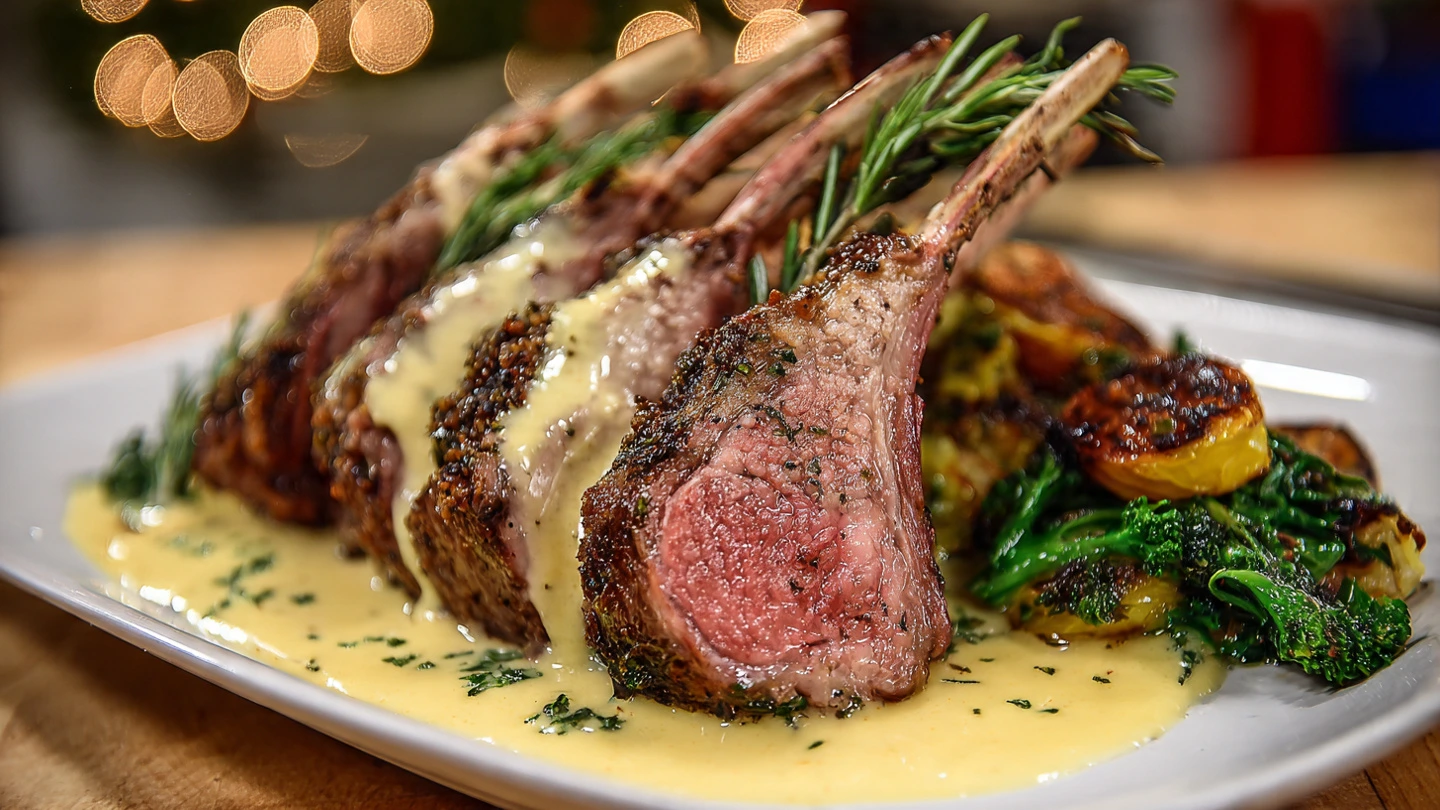
A roasted rack of lamb is a dish that effortlessly commands attention . With its elegantly frenched bones and succulent, pink meat, it’s a centerpiece worthy of the most special occasions
. Yet, for all its impressive presentation, it is a surprisingly straightforward dish to prepare. This article will guide you through every step of creating an unforgettable roasted rack of lamb, complete with a choice of rich and flavorful butter sauces, ensuring a restaurant-quality meal in the comfort of your own home. We will cover everything from selecting the perfect cut and understanding the science behind the cooking process to crafting elegant sauces, side dishes, and beverage pairings, all while keeping best practices for online content in mind.
The Allure of the Rack: Why This Cut Reigns Supreme
The rack of lamb is a cut from the rib section of the animal, typically comprising eight or nine ribs
. It is prized for its tenderness and mild flavor. When cooked correctly, the meat is juicy and succulent, with a delicate texture that melts in your mouth. The fat cap, when rendered, bastes the meat as it cooks, adding a depth of flavor that is simply unparalleled.
The Science of a Perfect Roast
Understanding the science behind the cooking process transforms you from a cook following a recipe into a chef who controls the outcome
. Three key scientific principles are at play when roasting lamb: the Maillard reaction, carryover cooking, and juice reabsorption
- The Maillard Reaction: This is the magic behind the flavorful, brown crust on roasted meat . It’s a complex chemical reaction between amino acids and reducing sugars that occurs at high temperatures (typically 280-330°F or 140-165°C) . This reaction creates hundreds of new aroma and flavor compounds, giving the lamb its characteristic savory taste . To achieve this, it is crucial that the surface of the meat is very dry before it hits the hot pan .
- Carryover Cooking: Cooking doesn’t stop the moment you remove the lamb from the oven . The residual heat on the meat’s surface continues to travel toward the cooler center, causing the internal temperature to rise further . This phenomenon, known as carryover cooking, can increase the temperature by 5 to 25°F (3 to 14°C), depending on the roast’s size and the cooking heat . To achieve your perfect target temperature, you must pull the lamb from the oven when it’s a few degrees below your final goal .
- Juice Reabsorption (Resting): During cooking, the muscle fibers contract and squeeze out moisture . Allowing the lamb to rest after roasting is a critical step . During this rest period, the muscle fibers relax and reabsorb the juices, redistributing them throughout the meat . This results in a more tender, flavorful, and moist final product, with significantly less juice lost during carving .
Selecting the Perfect Rack of Lamb
Your journey to the perfect roasted rack of lamb begins at the butcher counter. Look for a rack that has a good layer of fat on top, which will keep the meat moist and flavorful during cooking
. The meat should be a vibrant pinkish-red color, and the bones should be clean and white.
- Age and Diet Matter: For a milder, less “gamy” flavor, opt for younger lamb . The animal’s diet also plays a significant role; American lamb is often grain-finished, leading to a milder taste, while grass-fed Australian or New Zealand lamb can have a more pronounced, earthy flavor .
- Trim the Fat: A significant portion of the gamy flavor is concentrated in the fat . Ask your butcher to trim the excess fat, or do it yourself, leaving a thin, even layer (about 1/4 inch) to ensure the meat stays moist during roasting .
To French or Not to French?
“Frenching” a rack of lamb refers to the process of removing the meat and fat from between the rib bones
. This technique creates a cleaner, more professional look for your final dish
. Beyond aesthetics, frenching also prevents the small bits of meat and fat on the bones from burning during the high-heat roasting process
. While many butchers will sell racks of lamb that are already frenched, you can also do it yourself at home
To french a rack of lamb, use a sharp knife to carefully cut away the fat and connective tissue from between the bones
. You can also scrape the bones with the back of your knife to remove any remaining bits of meat
. While it may seem intimidating, with a little patience, you can achieve a professional-looking result
The Star of the Show: A Foolproof Roasted Rack of Lamb Recipe
This recipe utilizes a classic combination of herbs and garlic to create a flavorful crust that perfectly complements the delicate taste of the lamb.
Ingredients
- 2 racks of lamb (each about 1.5 to 2 pounds), frenched
- 2 tablespoons olive oil
- Kosher salt and freshly ground black pepper to taste
For the Herb Crust:
- 1 cup Panko breadcrumbs (highly recommended for a crispier crust)
- 1/4 cup finely chopped fresh parsley
- 2 tablespoons finely chopped fresh rosemary
- 1 tablespoon finely chopped fresh thyme
- 2-3 cloves garlic, minced
- 2 tablespoons olive oil
- Optional: 1/4 cup grated Parmesan cheese for a savory, nutty flavor
- Optional: 1 teaspoon lemon zest for brightness
For Coating:
Optional Pre-Prep: Reducing Gamy Flavor
If you are concerned about a strong lamb flavor, marinating can help neutralize any gamy notes
- Acidic Marinade: A marinade with acidic components like lemon juice, wine, or yogurt can tenderize the meat and balance the flavor . A yogurt-based marinade is particularly effective as its casein binds to the fat .
- Vinegar Soak: A quick soak for about ten minutes in cold water with a cup of distilled white vinegar can also lessen the gamy taste .
Advance Preparation for a Stress-Free Meal
One of the secrets to a relaxed dinner party is preparing as much as possible in advance. Both the herb crust and the lamb itself can be prepped ahead of time.
- Prepare the Herb Crust: The herb crust can be made up to 24 hours before you plan to cook . In a food processor, pulse the Panko breadcrumbs, thoroughly dried fresh herbs, garlic, and optional Parmesan and lemon zest until well combined . Drizzle in just enough olive oil for the mixture to come together in a crumbly paste, similar to the consistency of damp sand . Be careful not to make the mixture too wet, as excess moisture can lead to a soggy crust . Store the prepared crust in an airtight container in the refrigerator . For best results, allow the crust mixture to come to room temperature before applying it to the lamb .
- Prepare the Lamb Rack: For maximum efficiency, you can prepare the entire crusted rack of lamb a day in advance . First, sear the lamb as described in the steps below. Allow it to cool, then brush it with Dijon mustard and press on the herb crust . Place the coated rack on a dish, cover it, and refrigerate for up to 24 hours . It is crucial to let the refrigerated lamb sit at room temperature for about an hour before roasting to ensure it cooks evenly .
Step-by-Step Instructions
- Prepare the Lamb: At least an hour before cooking, remove the lamb from the refrigerator to allow it to come to room temperature . This step is vital for even cooking and a juicy result, as a cold rack will cook unevenly, with the outside overcooking before the center is done . Pat the racks thoroughly dry with paper towels; this is essential for a good sear and a crisp crust, as a dry surface is required for the Maillard reaction to occur . Season them generously on all sides with salt and pepper .
- Sear for a Flavorful Crust: Heat 2 tablespoons of olive oil in a large, oven-safe skillet over high heat . Searing first creates a delicious crust via the Maillard reaction and helps promote even cooking . Carefully place the racks of lamb in the skillet, fat-side down, and sear for 2-3 minutes until a golden-brown crust forms . This initial sear is recommended for optimal results . Sear all other sides of the lamb for about 1-2 minutes each . Remove the lamb from the skillet and set it aside to cool slightly .
- Coat the Lamb: Brush the fat-side and ends of the lamb racks with a thin layer of Dijon mustard . The mustard acts as a flavorful “glue” for the crust to adhere to .
- Apply the Herb Crust: Press the prepared herb and breadcrumb mixture firmly onto the mustard-coated surfaces of the lamb . Use your hands to ensure good adhesion so the crust doesn’t fall off during roasting or slicing .
- Roast to Perfection: Preheat your oven to 450°F (230°C) . Place the crusted racks of lamb back into the oven-safe skillet (or on a rack set within a roasting pan for better heat circulation), bone-side down . To prevent the exposed bones from charring, you can wrap the ends in aluminum foil . Roast for 15-25 minutes, depending on your desired level of doneness . The most reliable way to check for doneness is with a meat thermometer .
Achieving the Perfect Temperature
The key to a perfectly cooked, tender rack of lamb is using a meat thermometer and avoiding overcooking, which is the primary cause of toughness
. Insert the thermometer into the thickest part of the meat, avoiding the bone. Remember to account for carryover cooking: the internal temperature will continue to rise by several degrees as the lamb rests
. Pull the lamb from the oven when it is 5-10°F below your final desired temperature.
- Rare: Pull at 115-120°F for a final temp of 125°F (52°C)
- Medium-Rare: Pull at 125-130°F for a final temp of 130-135°F (54-57°C)
- Medium: Pull at 135°F for a final temp of 140-145°F (60-63°C)
- Medium-Well: Pull at 140°F for a final temp of 145-150°F (63-65°C)
- Well-Done: Pull at 150°F for a final temp of 155°F (68°C) and above
For food safety, the USDA recommends cooking lamb to a minimum internal temperature of 145°F (63°C)
- Rest is Best: Once the lamb has reached your desired pull temperature, remove it from the oven and transfer it to a cutting board . Tent it loosely with foil and let it rest for at least 10-15 minutes before carving . Some chefs recommend resting for as long as 14 minutes . This crucial step allows the muscle fibers to relax and reabsorb their juices, resulting in a more tender, moist, and flavorful rack of lamb .
Choosing Your Perfect Sauce: From Simple to Classic
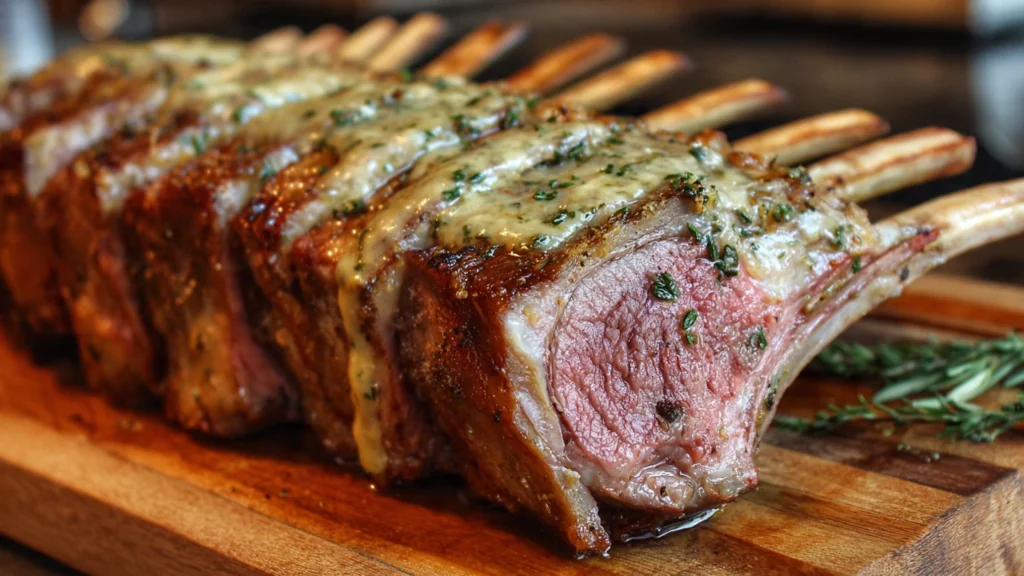
A well-crafted sauce elevates the lamb from delicious to sublime. Here are several butter-based options, ranging from a quick and easy garlic-herb sauce to classic French preparations.
Option 1: Quick Garlic and Herb Butter Sauce
This simple yet elegant butter sauce is the perfect finishing touch for your roasted rack of lamb and comes together in minutes
Ingredients:
- 1/4 cup unsalted butter
- 2 cloves garlic, minced
- 1 tablespoon fresh parsley, chopped
- 2 tablespoons fresh lemon juice
- Salt and freshly ground black pepper to taste
Instructions:
- In a small saucepan, melt the butter over low to medium heat .
- Add the minced garlic and cook for about 1-2 minutes, until fragrant, being careful not to let it brown .
- Remove the saucepan from the heat and stir in the fresh parsley and lemon juice .
- Season with salt and pepper to taste and drizzle over the carved lamb .
Option 2: Classic French Beurre Blanc (with Wine)
This classic French “white butter” sauce is a tangy and rich emulsion that beautifully enhances the taste of lamb
Ingredients:
- 1 large shallot, finely minced
- ¾ cup dry white wine (like Sauvignon Blanc)
- ¼ cup white wine vinegar
- 1 tablespoon heavy cream (optional, for a more stable sauce)
- 1 ½ sticks (12 tablespoons) cold unsalted butter, cut into small pieces
- Kosher salt and white pepper to taste
Instructions:
- In a small, heavy-bottomed saucepan over medium heat, combine the white wine, vinegar, and shallots .
- Bring the mixture to a simmer and let it reduce until only about 2 tablespoons of liquid remain .
- If using, whisk in the heavy cream and bring it to a boil .
- Reduce the heat to low and begin whisking in the cold butter, a few pieces at a time . It is crucial to add the butter gradually and whisk constantly to create a creamy emulsion .
- Once all the butter is incorporated and the sauce is smooth, remove it from the heat .
- Season with salt and white pepper . For a perfectly smooth texture, you can strain the sauce through a fine-mesh sieve to remove the shallots . Serve immediately.
Option 3: Wine-Free Beurre Blanc
A delicious beurre blanc can be created without alcohol by using non-alcoholic substitutes that provide the necessary acidity to balance the butter’s richness
Ingredients:
- 1/2 cup acidic liquid (e.g., non-alcoholic white wine, verjus, or a mix of chicken stock and lemon juice)
- 2 tablespoons minced shallots
- 1/4 cup heavy cream (optional, for stability)
- 1/2 cup (1 stick) cold unsalted butter, cut into small cubes
- Salt and white pepper to taste
- Fresh herbs like chives or tarragon, finely chopped (optional)
Instructions:
- In a small saucepan, combine the shallots and your chosen acidic liquid .
- Bring to a simmer and reduce by about half to concentrate the flavors .
- If using, add the heavy cream and simmer for another minute .
- Reduce the heat to low and begin whisking in the cold butter cubes, one or two at a time, ensuring each is almost incorporated before adding the next . This gradual addition is crucial for a stable emulsion .
- Once all butter is incorporated and the sauce is thick and glossy, remove it from the heat. Do not let it boil .
- Strain through a fine-mesh sieve for a smoother consistency .
- Season with salt and white pepper, stir in fresh herbs, and serve immediately .
Option 4: Brown Butter and Sage Sauce (Beurre Noisette)
Beurre noisette, or hazelnut butter, gets its name from the nutty aroma that butter develops when its milk solids are browned
. The addition of crispy sage creates a simple yet profound sauce that is a perfect match for roasted lamb
Ingredients:
- 8 tablespoons (1 stick) unsalted butter, cut into pieces
- A handful of fresh sage leaves, coarsely chopped
- 1 large garlic clove, crushed and finely chopped (optional)
- Salt and freshly ground black pepper to taste
Instructions:
- Use a light-colored skillet over medium heat to help you monitor the color change as the butter cooks .
- Melt the butter. As it melts, it will bubble and foam . Add the sage leaves and optional garlic . The sage will crisp up in seconds .
- Continue to cook, swirling the pan frequently, for 3-4 minutes . The butter will foam, and the milk solids will begin to brown, turning from a lemony-yellow to a toasty brown and releasing a nutty aroma .
- Once the butter is browned and aromatic, immediately remove the pan from the heat to prevent it from burning .
- Season with salt and pepper and drizzle over the lamb just before serving .
Carving and Serving Your Masterpiece
Proper carving is the final touch that elevates your roasted rack of lamb from a great meal to a showstopper.
- Essential Tools: You will need a long, sharp carving knife, a carving fork, and a cutting board with a juice groove . A sharp knife is crucial for clean cuts that don’t tear the meat or crust .
- Position the Rack: Stand the rested rack on its end, with the bones pointing upward . This provides a stable base and a clear view for slicing .
- Slice with a Smooth Motion: The rib bones are your guide . Place your knife between two ribs and slice downwards in a single, smooth motion, letting the knife do the work . Avoid sawing, which can tear the crust .
- Presentation: Arrange the chops on a platter, either fanned out or interlocked . For a more formal plating, serve two two-bone portions per plate .
Beverage Pairings to Elevate Your Meal
Pairing the right beverage creates a harmonious interaction that enhances both the food and the drink . The goal is to balance the dominant characteristics of the dish and the beverage .
Principles of Pairing
- Match Intensity: A rich, flavorful dish like roasted lamb requires a robust drink that won’t be overpowered .
- Acidity: High-acid beverages are excellent for cutting through the richness and fat of lamb, cleansing the palate with each sip .
- Tannins: The tannins in red wine create a drying sensation that binds with fat and protein . The fat in the lamb softens the perception of the tannins, making for a classic and successful pairing .
Red Wine Pairings
A bold red wine is the classic choice for rack of lamb
- Cabernet Sauvignon: This full-bodied wine has high tannins and acidity, with dark fruit flavors that complement the rich lamb . A Bordeaux blend is a classic choice .
- Rhône Blends: Often a mix of Grenache, Syrah, and Mourvèdre, these wines are versatile and can range from medium-bodied to bold and spicy . Their savory, herbal notes echo the herbs used in the crust, creating a beautiful harmony .
- Pinot Noir: A lighter-bodied red with higher acidity and lower tannins, Pinot Noir is a great match for a more delicately prepared lamb, as its red fruit and earthy notes will not overpower the meat .
Sophisticated Non-Alcoholic Alternatives
The world of non-alcoholic pairings has expanded far beyond soda and juice, offering complex and satisfying options
- Non-Alcoholic Wine: A growing number of high-quality non-alcoholic red wines mimic the tannin and flavor profiles of their alcoholic counterparts .
- Kombucha: The acidity and effervescence of a dry, less-sweet kombucha can cut through the richness of the lamb effectively .
- Shrubs (Drinking Vinegars): These fruit- and sugar-infused vinegars, mixed with sparkling water, offer a complex sweet-and-sour profile that stands up well to the lamb’s flavor.
- Infused Teas and Waters: A robust, unsweetened black iced tea can provide a tannic counterpoint . You can also create complex infusions with herbs and spices; a roasted barley tea can add smoky notes, while a seed tea with coriander and fennel can act as a palate cleanser .
Elegant Side Dishes to Complete Your Meal
A grand centerpiece deserves side dishes that are just as elegant. These recipes offer a range of textures and flavors to balance the richness of the lamb.
Creamy Potato Gratin
This is the ultimate comfort food, with thinly sliced potatoes baked in a luscious, cheesy cream sauce until golden and bubbly
Ingredients:
- 2 lbs Russet potatoes, peeled and thinly sliced (about 1/8-inch thick)
- 1 cup heavy cream
- 1 cup whole milk
- 2 cloves garlic, minced
- 1 shallot, finely chopped
- 1 teaspoon fresh thyme leaves
- Pinch of nutmeg
- 1 ½ cups grated Gruyère cheese
- ½ cup grated Parmesan cheese
- 1 tablespoon butter, for greasing the dish
- Salt and freshly ground black pepper to taste
Instructions:
- Preheat your oven to 375°F (190°C) .
- In a saucepan, combine the cream, milk, garlic, shallot, thyme, and nutmeg . Bring to a simmer, then remove from the heat and let it steep for up to an hour to infuse the flavors . Strain if desired .
- Grease a 9×13-inch baking dish with butter .
- Arrange a layer of sliced potatoes in the dish, overlapping them slightly . Pour over about a third of the cream mixture, season with salt and pepper, and sprinkle with a third of the combined cheeses .
- Repeat the layering process twice more, reserving the final third of the cheese for the top .
- Cover with foil and bake for 1 hour and 15 minutes, or until the potatoes are tender .
- Remove the foil, sprinkle the remaining cheese on top, and bake for another 10-15 minutes, until golden and bubbly . Let rest for a few minutes before serving.
Roasted Root Vegetables with a Balsamic Glaze
The sweetness of roasted vegetables is perfectly complemented by a tangy balsamic glaze, creating a side dish that is both rustic and refined .
Ingredients:
- 2 lbs mixed root vegetables (carrots, parsnips, sweet potatoes, red onion), chopped into 1-inch pieces
- 3 tablespoons olive oil
- 2 tablespoons balsamic vinegar
- 1 tablespoon maple syrup or honey
- 1 teaspoon fresh or dried thyme
- Salt and freshly ground black pepper to taste
Instructions:
- Preheat your oven to 400°F (200°C) .
- In a large bowl, toss the chopped vegetables with olive oil, balsamic vinegar, maple syrup or honey, and thyme . Season generously with salt and pepper .
- Spread the vegetables in a single layer on a large rimmed baking sheet to ensure they roast rather than steam .
- Roast for 40-45 minutes, stirring halfway through, until tender and caramelized .
- For an extra glaze, you can drizzle with more balsamic vinegar during the last 10 minutes of roasting or reduce some vinegar in a saucepan and drizzle it over after cooking .
Mint and Feta Couscous Salad
This vibrant and refreshing salad provides a light, zesty counterpoint to the richness of the lamb
Ingredients:
- 1 ½ cups pearl (Israeli) or regular couscous
- 1 English cucumber, diced
- 1 cup cherry tomatoes, halved
- 1/2 red onion, finely diced
- 1 cup crumbled feta cheese
- ½ cup fresh mint leaves, chopped
- ½ cup fresh parsley, chopped
- For the Dressing:
Instructions:
- Cook the couscous according to package directions, then fluff with a fork and let it cool .
- Whisk together the olive oil, lemon juice, Dijon mustard, and minced garlic for the dressing . Season with salt and pepper .
- In a large bowl, combine the cooled couscous, cucumber, tomatoes, red onion, mint, and parsley .
- Pour the dressing over the salad and toss gently to combine .
- Gently fold in the crumbled feta cheese and serve at room temperature or chilled .
Frequently Asked Questions (FAQ)
Q: How can I tell if the lamb is done without a thermometer?
While a meat thermometer is strongly recommended for accuracy, you can use the “touch test”: gently press the thickest part of the meat. Very soft is rare, a slight springiness is medium-rare, and firmer is medium
. Alternatively, insert a thin metal skewer into the center for a few seconds; if it feels lukewarm on your wrist or lip, it’s likely medium-rare
Q: My herb crust is browning too fast or isn’t brown enough. What should I do?
If the crust is browning too quickly, loosely tent the rack with aluminum foil for the remainder of the cooking time . If the lamb is cooked but the crust isn’t golden, place it under the broiler for a minute or two, watching very closely to prevent burning
Q: What is the best way to reheat leftover rack of lamb?
To avoid drying it out, place the lamb in a baking dish with a splash of broth, cover with foil, and warm in a low oven (around 300°F / 150°C) until heated through
. For safety, it should reach an internal temperature of 165°F (74°C)
. Alternatively, repurpose cold, sliced leftovers in salads or stir-fries
A Note on SEO and AdSense for Recipe Articles
Creating a successful online recipe involves more than just great cooking; it requires making the content discoverable and user-friendly
- Keywords and Content: Researching what users search for (e.g., “roasted rack of lamb medium rare,” “best butter sauce for lamb”) and including these terms naturally in headings and text is crucial . High-quality, comprehensive content that answers user questions, includes tips, and shows personal experience demonstrates E-E-A-T (Experience, Expertise, Authoritativeness, Trustworthiness), which Google values .
- Structured Data (Schema): Using
Recipeschema markup is vital . This code helps search engines understand your recipe’s details (like cook time and ratings) and display them as “rich snippets” in search results, which can dramatically increase clicks . - AdSense and Monetization: For monetization with networks like AdSense, original, high-quality content is paramount . Ad placement should be strategic, providing revenue without disrupting the user’s ability to read the recipe . Building a site with excellent content and steady traffic is the foundation for successful monetization, potentially leading to premium ad networks like Mediavine or Adthrive