
Table of Contents
Introduction
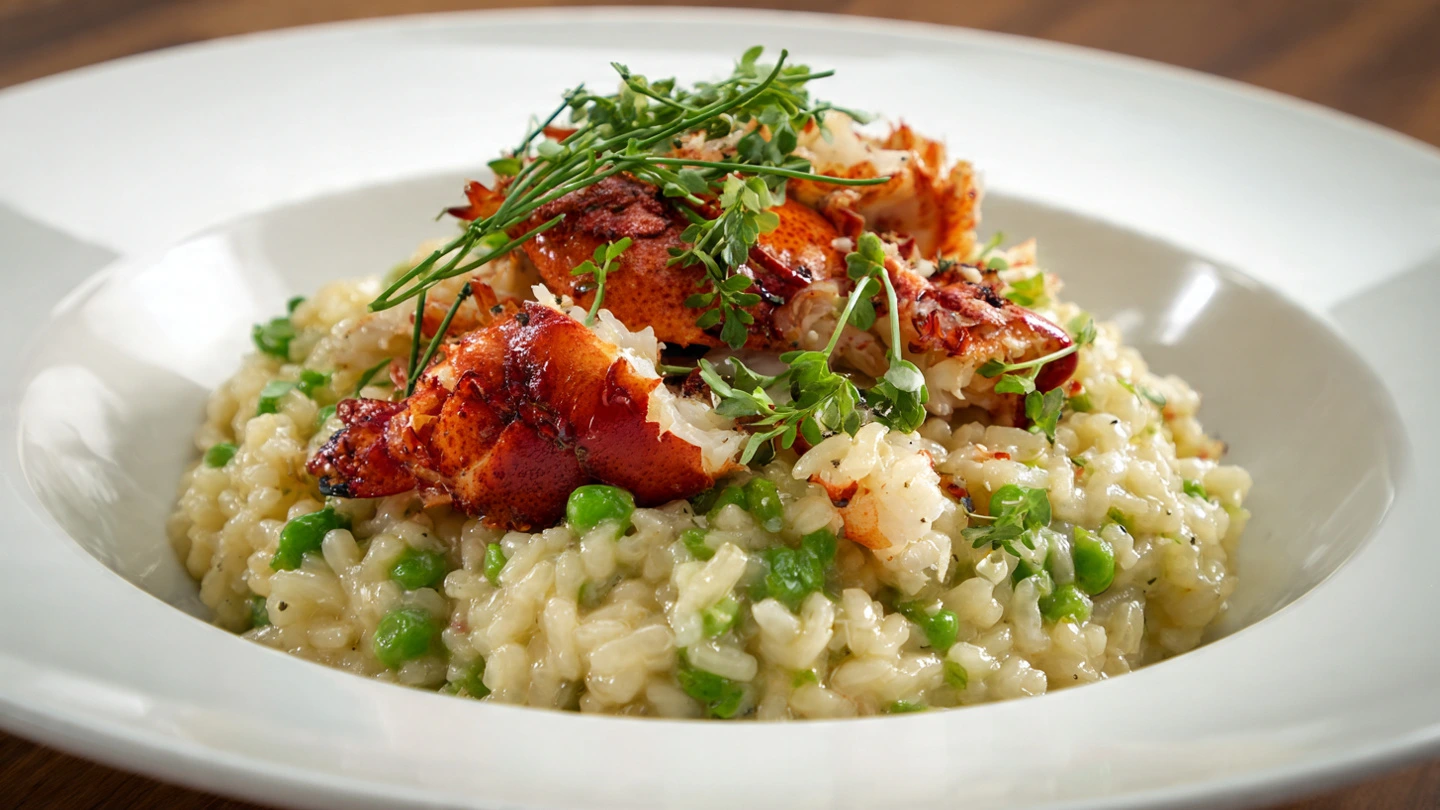
A perfectly executed lobster risotto is the epitome of indulgence—a creamy, decadent dish that is both comforting and elegant
. While it may seem like a complex, restaurant-quality meal, with the right ingredients and techniques, it is an achievable and rewarding culinary project for the home cook
. Imagine the warm, comforting aroma of simmering broth, the creamy, Parmesan-laced rice, and the sweet, succulent taste of lobster in every bite
. This comprehensive guide will walk you through every step of creating a memorable lobster risotto, a showstopper perfect for a special occasion or a romantic dinner
The Heart of the Matter: Preparing the Lobster
The star of this dish is, of course, the lobster
. The quality and preparation of the lobster will significantly impact the final flavor of your risotto
. You have several options when it comes to sourcing and cooking the lobster meat, including using fresh or frozen lobster tails
Cooking Methods for Lobster:
- Boiling: This is a straightforward method that also yields flavorful shells for your stock . Bring a large pot of salted water to a rolling boil, add the lobster tails, and cook for 5-8 minutes until the shells turn bright red and the meat is firm and opaque . Immediately transfer the tails to an ice bath to stop the cooking process, which helps keep the meat tender .
- Butter Poaching: For exceptionally tender and rich lobster meat, butter poaching is an excellent choice . This gentle cooking method involves slowly cooking the lobster meat in a mixture of butter and a small amount of water or wine over low heat.
- Using Pre-Cooked or Frozen Lobster: For a more convenient option, you can purchase pre-cooked lobster meat or use frozen lobster tails that have been thawed . This can be a time-saver, and the quality is often excellent .
Once cooked and cooled, extract the meat from the shells and chop it into bite-sized pieces
. For an extra layer of flavor, you can briefly sauté the cooked lobster meat in butter until just warmed through before folding it into the finished risotto
. Crucially, do not discard the shells—they are the key to a deeply flavorful stock
The Foundation of Creaminess: Choosing the Right Rice
The creamy texture of a perfect risotto comes not from an abundance of cream, but from the starch released by the rice during the cooking process
. Therefore, selecting the right type of rice is paramount
. Look for Italian short- to medium-grain rice varieties that are high in amylopectin, the starch responsible for the characteristic creaminess
Top Rice Varieties for Risotto:
- Arborio: This is the most widely available and popular choice for risotto . Its high starch content and plump grains absorb liquid well and create a wonderfully creamy dish .
- Carnaroli: Often referred to as the “king” of risotto rice, Carnaroli has a higher starch content and a firmer texture than Arborio . It is more forgiving to cook with, as it is less likely to become mushy, and is often preferred by chefs .
- Vialone Nano: Hailing from the Veneto region of Italy, Vialone Nano is another excellent choice that cooks a bit faster and absorbs liquids exceptionally well .
A crucial tip: Never rinse the rice before cooking
. Rinsing removes the surface starches that are essential for creating the creamy consistency of the final dish
. Long-grain rice like basmati or jasmine should not be used, as they will not produce the same creamy result
Liquid Gold: Crafting a Flavorful Lobster Stock
A homemade or enhanced stock will elevate your risotto from good to unforgettable
. Using the reserved lobster shells, you can create a rich, aromatic broth that will infuse every grain of rice with the essence of the sea
How to Make a Quick Lobster Stock:
- Sauté Aromatics (Optional): In a large stockpot, you can sauté a mirepoix of chopped onions, carrots, and celery in olive oil or butter until softened .
- Toast the Shells: Add the reserved lobster shells to the pot and cook for a few minutes to intensify their flavor .
- Simmer: Add about 6 cups of store-bought seafood, chicken, or vegetable stock to the pot with the shells . Bring the liquid to a gentle simmer and cook for at least 15-20 minutes to infuse the broth with lobster flavor .
- Strain and Hold: Strain the stock through a fine-mesh sieve to remove all solids . Return the flavorful stock to a saucepan and keep it at a bare simmer over low heat while you make the risotto . Using warm stock is critical for a smooth cooking process . For a standard creamy risotto, a ratio of about 1 part rice to 4 parts stock is typical, but for an even creamier result, you may need up to a 1:5 ratio, so it’s good to have extra stock or hot water on hand .
Lobster Risotto: A Step-by-Step Recipe
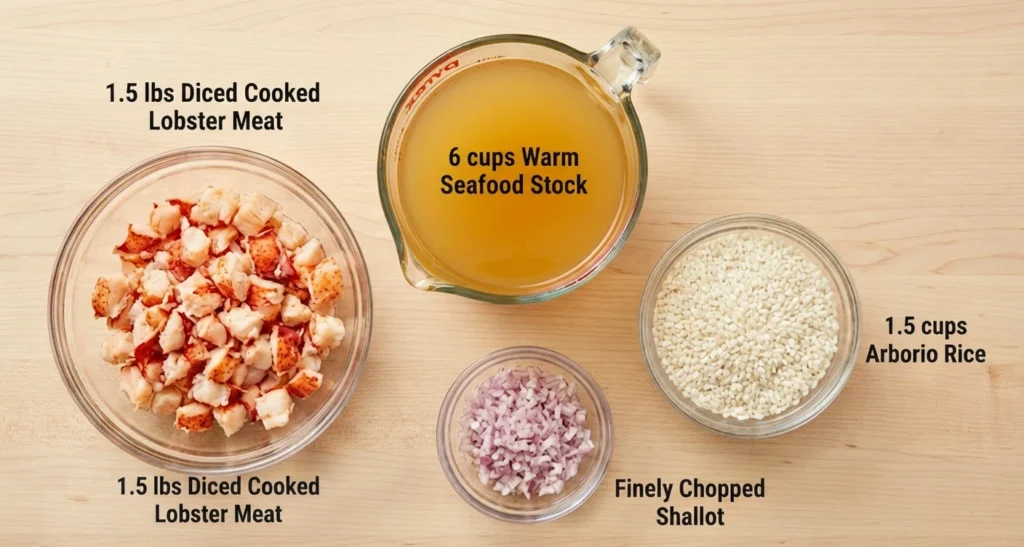
This recipe combines the best techniques to guide you toward a perfect, restaurant-quality risotto at home
Yields: 4 servings
Prep time: 20 minutes
Cook time: 30-40 minutes
Ingredients:
- 1 to 1.5 lbs cooked lobster meat (from about 2-4 lobster tails), diced
- 6 cups warm lobster, seafood, or high-quality chicken stock
- 1 ½ cups Arborio or Carnaroli rice
- 1 large shallot or medium onion, finely chopped
- 2 cloves garlic, minced
- ½ cup dry white wine, such as Sauvignon Blanc or Pinot Grigio (see FAQ for non-alcoholic substitutes)
- 4 tbsp unsalted butter, divided
- 1-2 tbsp olive oil
- ½ cup freshly grated Parmesan cheese, plus more for serving
- 2 tbsp chopped fresh parsley, chives, or tarragon, for garnish
- Salt and freshly ground black pepper to taste
- Lemon wedges, for serving (optional)
Instructions:
- Sauté the Aromatics: In a large, heavy-bottomed pot or Dutch oven, heat the olive oil and 2 tablespoons of butter over medium heat . Add the chopped shallot and cook until softened and translucent, about 3-5 minutes . Add the minced garlic and cook for another minute until fragrant, being careful not to let it brown .
- Toast the Rice (Tostatura): Add the un-rinsed Arborio rice to the pot . Stir constantly for 2-3 minutes, until the grains are coated in fat and the edges become translucent . This crucial toasting step develops a nutty flavor and helps the grains absorb broth evenly without becoming mushy .
- Deglaze with Wine: Pour in the white wine and stir continuously until it is almost completely absorbed by the rice . This adds a crucial layer of acidity and depth to balance the richness . The wine also helps lift the flavorful browned bits (fond) from the bottom of the pan .
- Gradually Add Stock: Begin adding the simmering stock, one ladleful (about ½ to ¾ cup) at a time . Stir frequently, allowing each addition of stock to be mostly absorbed before adding the next . This constant, gentle stirring encourages the rice to release its starches, creating the signature creamy texture . This entire process should take about 18-25 minutes .
- Check for Doneness: After about 15-18 minutes, start tasting the rice . You are looking for an “al dente” texture—cooked through but still with a slight bite in the center . The finished risotto should be creamy and fluid, able to flow slightly on the plate, not form a stiff mound . If you run out of stock before the rice is cooked, you can use hot water.
- Finish the Risotto (Mantecatura): Once the risotto is cooked to your liking, remove it from the heat . Vigorously stir in the remaining 2 tablespoons of butter and the grated Parmesan cheese . For extra decadence, you can also add ¼ cup of heavy cream .
- Incorporate the Lobster: Gently fold in the diced lobster meat and fresh herbs . Season with salt and pepper to taste.
- Serve Immediately: Let the risotto rest for a minute, then serve immediately, garnished with extra Parmesan and fresh herbs . Lemon wedges on the side can add a final bright note .
Frequently Asked Questions (FAQ)
This section addresses common questions and troubleshooting tips to ensure your risotto is a success
Technique & Troubleshooting
- Why is my risotto gummy or gluey? This can be caused by overcooking the rice, stirring too aggressively (which breaks down the grains), or cooking at too low a heat . To prevent this, cook only until al dente and stir gently but consistently .
- Why is my risotto soupy? This usually means too much liquid was added at once or the risotto hasn’t cooked long enough to absorb it . Be patient and add stock gradually . If it’s too soupy at the end, let it sit off the heat for a minute or two to thicken slightly .
- Why is my rice crunchy? This can happen if the heat is too low, not enough liquid was used, or the cooking time was too short . Always use simmering stock, as adding cold liquid can shock the rice and hinder the cooking process .
- What is the difference between risotto and other rice dishes? The primary difference is the rice type and cooking method . Risotto uses high-starch, short-grain rice and is cooked slowly by gradually adding liquid and stirring to release starches, creating a creamy, sauce-like consistency . In contrast, pilaf aims for fluffy, separate grains, while paella is not stirred to create a crispy bottom layer called socarrat .
Ingredient Substitutions
- Can I make this lobster risotto dairy-free? Yes. Use a high-quality olive oil or a dairy-free butter alternative instead of butter . For the cheese, you can use a vegan parmesan-style product or add nutritional yeast for a savory, cheesy flavor . The heavy cream can be omitted or replaced with a dairy-free cream alternative .
- What can I substitute for white wine, and how do I do it? Yes, you can absolutely make a delicious non-alcoholic version . In traditional risotto, wine serves two key purposes: it provides acidity to balance the richness of the cheese and starch, and it helps deglaze the pan by lifting the flavorful browned bits (fond) from the bottom . Simply omitting it can leave the dish tasting a bit flat . A proper substitute should replicate this acidity .
- The Best Substitute: Stock and Lemon Juice: A combination of stock and fresh lemon juice is an excellent and easy option .
- Exact Procedure: When your recipe calls for deglazing with wine, use an equal amount of your warm cooking stock (e.g., ½ cup) mixed with 1 to 3 teaspoons of fresh lemon juice . Start with less lemon juice and adjust to your taste .
- How to Deglaze: Pour the mixture into the hot pan after toasting the rice . It should sizzle. Use a wooden spoon to scrape the bottom of the pan to release the fond . Stir until the liquid is almost fully absorbed, then continue the recipe as written .
- Impact on the Final Dish: The core cooking process, total liquid amount, and cooking time will remain virtually unchanged . The main difference is the flavor profile. Instead of the complex, fermented notes from wine, the lemon juice will provide a brighter, fresher acidity . The result is a well-balanced and delicious risotto, though with a slightly different character . Using a high-quality, flavorful stock is crucial for success when omitting wine .
- Other Alternatives: For different flavor profiles, you can also try deglazing with white grape juice mixed with a splash of white wine vinegar, apple cider vinegar, or verjus (the juice of unripened grapes) .
- What herbs can I use besides tarragon? Tarragon has a mild anise flavor that pairs classically with lobster . However, if you’re not a fan, other soft herbs like chives, fresh parsley, or dill work beautifully .
Make-Ahead and Reheating Guide
While risotto is best enjoyed fresh, these tips can help you manage your time and enjoy leftovers
- Advance Preparation: You can cook the lobster meat a day in advance and keep it refrigerated . The stock can also be made ahead and stored in the fridge . For a restaurant-style shortcut, you can “par-cook” the risotto: cook it about halfway through, then spread it on a baking sheet to cool quickly . To finish, resume the process of adding hot stock and stirring until creamy and cooked through .
- Storing Leftovers: Store leftover risotto in an airtight container in the refrigerator for up to two to three days .
- Reheating to Preserve Creaminess: The key is to add more liquid to restore the creamy texture . For every cup of risotto, add about ¼ cup of warm broth, water, or wine .
- Stovetop (Recommended): Gently reheat the risotto in a pan over low-medium heat, stirring in the extra liquid until it’s heated through and creamy again .
- Microwave: Place risotto in a microwave-safe bowl, stir in the liquid, and heat on a medium setting, stirring occasionally until warm .
- To prevent tough lobster, you can remove the larger pieces before reheating the risotto and fold them back in at the very end to just warm through .
Perfect Pairings: What to Serve with Lobster Risotto
Given its richness, lobster risotto is often the centerpiece of a special meal
. It is best to pair it with sides and wines that offer a refreshing contrast
- Side Dish Suggestions: A crisp arugula or fennel salad with a light vinaigrette, steamed asparagus, or simple crusty bread are all excellent choices .
- Wine Pairing Recommendations: The ideal wine should have good acidity to balance the creaminess . An unoaked Chardonnay, a dry Pinot Gris, a crisp Sauvignon Blanc, or even a dry sparkling wine are all wonderful pairings
Frequently Asked Questions (FAQ)
This section addresses common questions and troubleshooting tips to ensure your risotto is a success.
Technique & Troubleshooting
- Why is my risotto gummy or gluey?
This can be caused by overcooking the rice, stirring too aggressively (which breaks down the grains), or cooking at too low a heat. To prevent this, cook only until al dente and stir gently but consistently. - Why is my risotto soupy?
This usually means too much liquid was added at once or the risotto hasn’t cooked long enough to absorb it. Be patient and add stock gradually. If it’s too soupy at the end, let it sit off the heat for a minute or two to thicken slightly. - Why is my rice crunchy?
This can happen if the heat is too low, not enough liquid was used, or the cooking time was too short. Always use simmering stock, as adding cold liquid can shock the rice and hinder the cooking process. - What is the difference between risotto and other rice dishes?
The primary difference is the rice type and cooking method. Risotto uses high-starch, short-grain rice and is cooked slowly by gradually adding liquid and stirring to release starches, creating a creamy, sauce-like consistency. In contrast, pilaf aims for fluffy, separate grains, while paella is not stirred to create a crispy bottom layer called socarrat.
Ingredient Substitutions
- Can I make this lobster risotto dairy-free?
Yes. Use a high-quality olive oil or a dairy-free butter alternative instead of butter. For the cheese, you can use a vegan parmesan-style product or add nutritional yeast for a savory, cheesy flavor. The heavy cream can be omitted or replaced with a dairy-free cream alternative. - What can I substitute for white wine, and how do I do it?
Yes, you can absolutely make a delicious non-alcoholic version. In traditional risotto, wine provides acidity to balance the richness and helps deglaze the pan. Simply omitting it can leave the dish tasting flat.- The Best Substitute: A combination of stock and fresh lemon juice is an excellent option.
- Exact Procedure: When your recipe calls for deglazing with wine, use an equal amount of your warm cooking stock (e.g., ½ cup) mixed with 1 to 3 teaspoons of fresh lemon juice. Pour this mixture into the hot pan after toasting the rice, scrape the bottom of the pan to release the flavorful browned bits (fond), and stir until the liquid is absorbed.
- Impact on the Final Dish: The cooking time and total liquid will remain the same. The flavor will be brighter and fresher from the lemon juice, rather than the complex, fermented notes from wine.
- Other Alternatives: You can also try deglazing with white grape juice mixed with a splash of white wine vinegar, or use verjus (the juice of unripened grapes).
- What herbs can I use besides tarragon?
Tarragon has a mild anise flavor that pairs classically with lobster. However, if you’re not a fan, other soft herbs like chives, fresh parsley, or dill work beautifully.